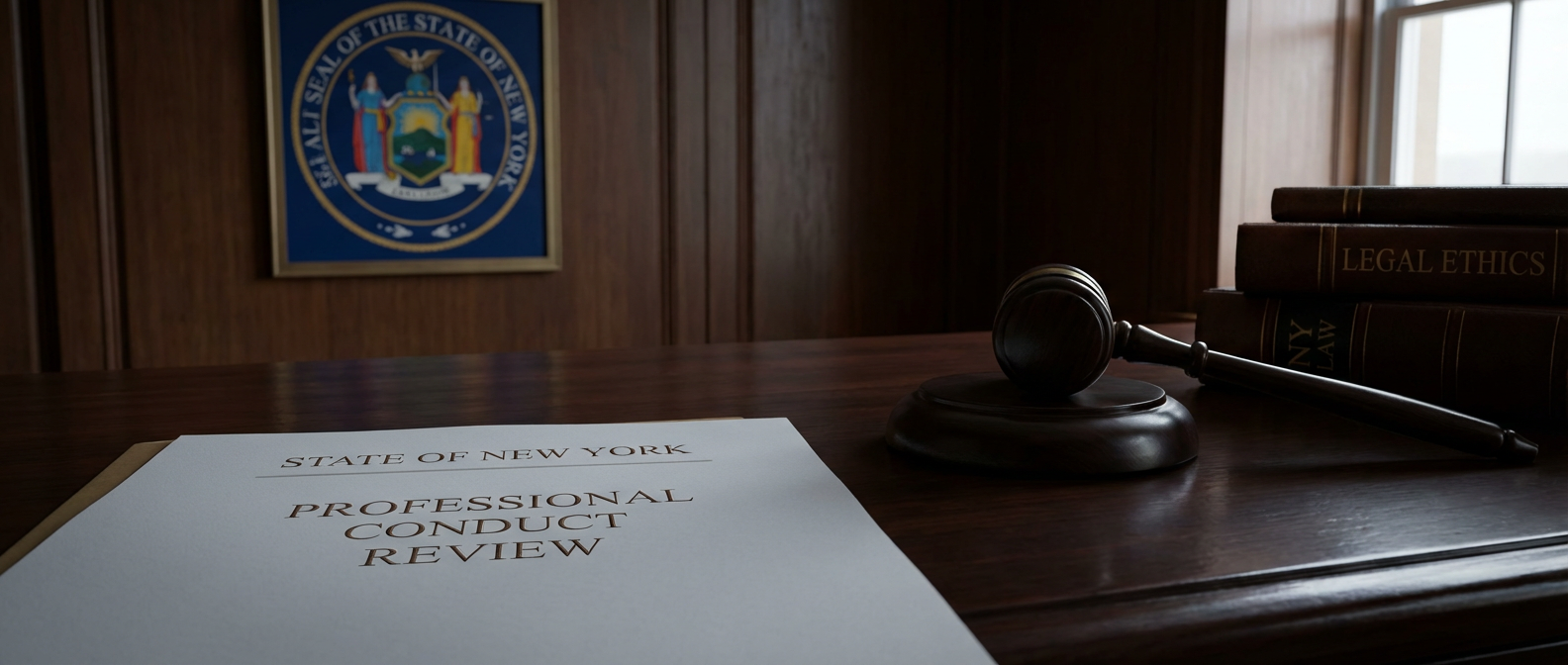
🩺 Understanding the OPMC Disciplinary Process
Navigating the Office of Professional Medical Conduct (OPMC) procedures can be daunting. Here’s a straightforward guide to help you understand each step and what it means for you as a physician. Read More
🔍 Administrative Review Board (ARB) Hearing
Think of this as the final checkpoint in the disciplinary process. After a hearing, you have the right to appeal if you believe the decision was unjust. The ARB reviews the existing records (no new evidence) and can:
-
- Uphold the original decision
- Reduce the penalty
- Increase the penalty
This is your opportunity to ensure a fair outcome. Read more.
✏️ Modification Orders
Life changes, and so can disciplinary orders. A Modification Order allows adjustments to existing terms, such as:
- Easing restrictions (e.g., expanding practice scope)
- Tightening conditions (e.g., increased supervision)
- Changing the duration of the order
You or the OPMC can request these changes to ensure the order remains relevant to your current situation. Read more.
⚠️ Summary Action (Emergency Suspension)
In urgent situations where patient safety is at risk, the OPMC can swiftly suspend a physician’s license without a prior hearing. Common triggers include:
-
- Serious misconduct
- Criminal charges related to medical practice
- Substance abuse issues
A formal hearing will follow, allowing you to present your side.
Read more.
⏳ Interim Order of Conditions (IOC)
While an investigation is ongoing, an IOC may be imposed to allow you to continue practicing under specific conditions, such as:
-
- Working under supervision
- Limiting certain procedures
- Regular check-ins with the OPMC
This ensures patient safety while respecting your right to practice.
Read more.
🤝 Order of Conditions (OOC)
An OOC is a negotiated agreement that lets you continue practicing with agreed-upon terms, which might include:
-
- Specific practice limitations
- Mandatory training or rehabilitation
- Regular reporting to the OPMC
Adhering to these conditions is crucial; violations can lead to more severe penalties. Read more.
📄 Statement of Charges
This formal document outlines the specific allegations against you. It’s the starting point of the disciplinary process and is made public. You’ll be able to respond and defend yourself during the subsequent proceedings.